Relaxation Techniques: Manage Anger Effectively

Photo courtesy of Magnific
Anger is a normal emotion that everyone experiences. However, when anger becomes intense or difficult to manage, it can affect a person's thoughts, behaviors, relationships, and overall well-being. Because anger involves both psychological and physical reactions, learning relaxation techniques is an important part of managing it effectively. These techniques can help us recognize our anger levels, calm our bodies, and respond to situations in healthier ways.
Why Relaxation Techniques Matter
Knowing how to calm the body and relax is significant in helping us manage our anger because anger affects more than just emotions. When we become angry, the body automatically enters a state of overactivation. Heart rate increases, breathing becomes faster, muscles tighten, and blood pressure rises. These physical reactions can make it more difficult to think clearly and make rational decisions.
Relaxation techniques help reduce these physical symptoms and allow us to regain a sense of control. By calming the body's stress response, we are often able to think more clearly, evaluate situations more objectively, and choose healthier ways of responding to anger-provoking events.
The Benefits of Relaxation Techniques
Although intense anger may only last for a short period of time, less obvious forms of anger such as irritation, annoyance, impatience, resentment, and frustration can linger much longer. Regardless of its intensity, anger can be emotionally exhausting and may negatively impact daily functioning if it is not managed effectively.
Applying relaxation techniques can help regulate physiological reactions associated with anger, such as rapid breathing, increased heart rate, muscle tension, and elevated blood pressure. These techniques also encourage greater self-awareness by helping individuals recognize the early signs of anger before emotions become overwhelming.
Another important benefit of intentional relaxation is that it creates a pause between feeling angry and reacting. Instead of responding automatically, individuals have the opportunity to slow down, reflect on the situation, and make more thoughtful decisions. This can reduce impulsive reactions and improve communication, problem-solving, and emotional regulation.
Matching Relaxation Techniques to Different Levels of Anger
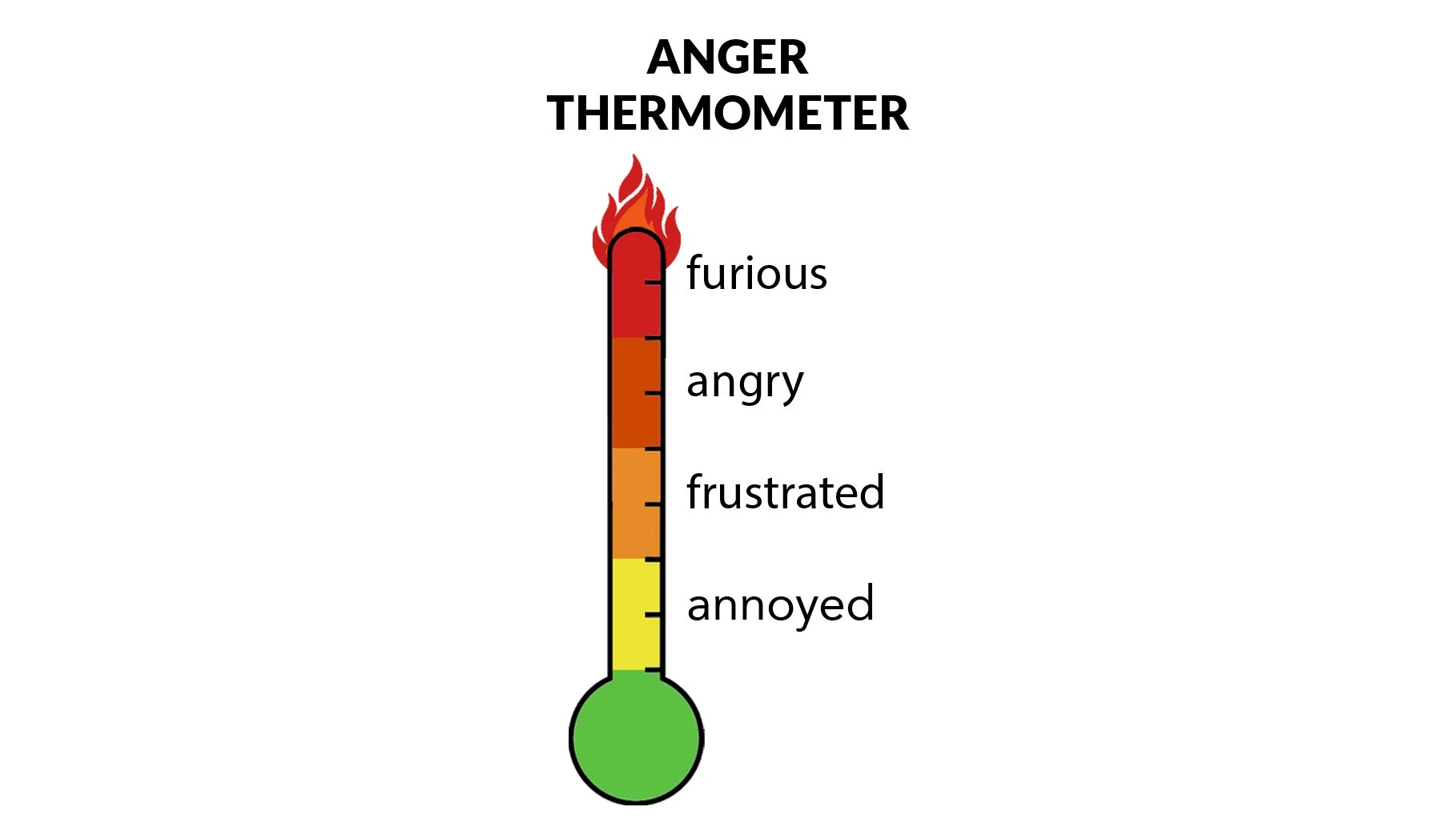
One helpful way to manage anger is to recognize its intensity and choose coping strategies that match that level. The Anger Thermometer is a useful tool that allows us to identify where we are emotionally and select an appropriate relaxation technique.
When Anger Feels Intense: Mindful Breathing
When anger reaches a high level and feelings become explosive, overwhelming, or extremely tense, mindful breathing can be an effective strategy. Mindful breathing involves focusing attention on the breath while remaining aware of the present moment.
Taking slow, deep breaths helps reduce physical overactivation and signals the body to relax. By concentrating on breathing, we can redirect our attention away from escalating thoughts and emotions. This simple technique can create enough space to prevent anger from intensifying and allow for a calmer response.
When Feeling Upset or Disappointed: Progressive Muscle Relaxation
For moderate levels of anger, such as feeling upset, disappointed, or frustrated, the Progressive Muscle Relaxation technique can be particularly helpful. This technique involves paying attention to different muscle groups throughout the body and intentionally releasing tension.
Many people hold stress and anger in their shoulders, jaw, neck, or hands without realizing it. By identifying areas of tension and consciously relaxing those muscles, the body begins to feel calmer. As physical tension decreases, emotional tension often decreases as well.
Progressive Muscle Relaxation can also increase awareness of how anger manifests physically, making it easier to recognize warning signs before emotions escalate.
When Feeling Calm: Meditation
Relaxation techniques are not only useful during moments of anger. They can also be practiced when feeling calm as a way to strengthen emotional regulation skills and prepare for future stressors.
Meditation is one technique that can support long-term anger management. Regular meditation encourages mindfulness, emotional awareness, and greater control over automatic reactions. By practicing meditation consistently, we may become more resilient when faced with situations that would normally trigger anger.
Even spending a few minutes each day focusing on breathing, observing thoughts without judgment, or practicing mindfulness can contribute to improved emotional well-being.
More Than Just Control
Managing anger effectively involves more than controlling thoughts or behaviors. Because anger affects both the mind and body, learning relaxation techniques can play an important role in reducing emotional and physical tension. Techniques such as mindful breathing, progressive muscle relaxation, and meditation provide practical tools that can be used at different levels of anger intensity.
By recognizing the signs of anger and applying appropriate relaxation strategies, we can improve our ability to regulate emotions, think more clearly, and respond to challenging situations in healthier and more constructive ways. Over time, these skills can contribute to greater self-awareness, emotional balance, and overall well-being.
ReferencesHarbin, T. J. (2022). The Anger Management Workbook for Teen Boys: CBT Skills to Defuse Triggers, Manage Difficult Emotions, and Resolve Issues Peacefully. New Harbinger Publications.
Swati Y Bhave, & Sunil Saini. (2009). Anger Management. Sage Publications Pvt. Ltd.
Tafrate, R. C, & Kassinove, H. (2019). Anger Management for Everyone: Ten Proven Strategies to Help You Control Anger and Live a Happier Life: Vol. Second Edition. Impact.