Counselor Spotlight: Interns
What are the biggest obstacles that you think this next generation of counselors will face and why?

Najiyyah Carter
One of the biggest obstacles that I believe the next generation of counselors may face is understanding countertransference (the therapist’s personal reaction and emotions toward a client) and building on relational work.
Most therapists do behavioral work: CBT, DBT, exposure therapy, etc. However, not many focus on relational work during the therapeutic journey. I think we may have gotten into the world of diagnosis and disorders rather than relational connection. While diagnosis needs to happen, many of our clients are dealing with relational struggles and are in need of actual relationships, too. In graduate school, countertransference is discussed, but not with the idea of its usefulness during sessions. Typically, it's a "beware" conversation including ways to avoid it. But I think there's a way countertransference can be a superpower for counselors when we turn our emotional reactions toward a client into curiosity during our sessions. My supervisor brought this idea to me during supervision, and it gave me a different outlook on countertransference and how to make it work for the client and counselor.

Grace Roberts
This next generation of counselors faces many challenges, but one that I believe is the biggest is that of a growing demand for mental health care in conjunction with financial barriers that cause treatment to be more and more inaccessible for people.
With the increase of these needs, my greatest worry is that more and more individuals will turn to AI tools or other low-cost alternatives as a more convenient and more affordable substitute for in-person counseling.
While I do believe technology can be of immense value in terms of providing education, coping strategies, further access to resources, and the like, I don't believe it can replace the depth of healing that occurs within a genuine therapeutic relationship. Counseling is more than receiving advice or information, it's about being known, understood, challenged, and supported by another person in a safe, trusting environment. That human connection is often what creates lasting change.
Due to this, I think counselors will need to advocate for greater access to affordable mental health care while also demonstrating the unique value of the therapeutic relationship. As technology continues to advance, preserving the relational and human aspects of counseling will be one of the profession's greatest responsibilities.
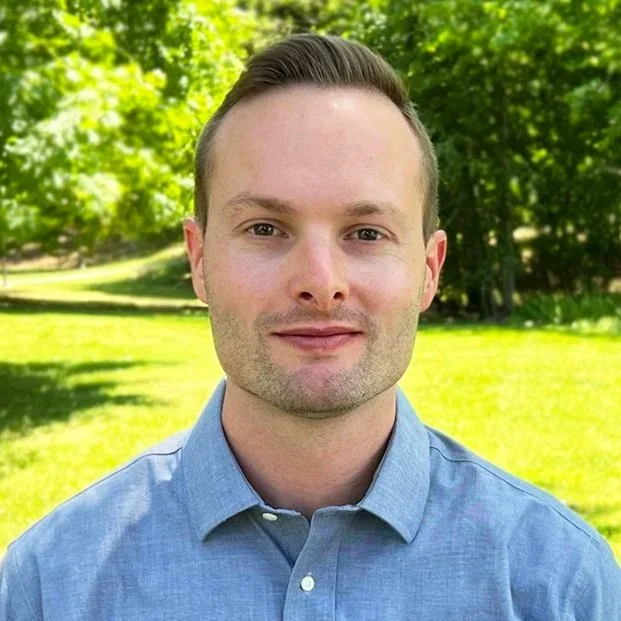
Daniel Tate
One of the biggest obstacles I believe the next generation of counselors will face is helping people find lasting hope in a culture that increasingly looks for relief in things that do not last.
Many of the same desires that have always existed—pleasure, approval, entertainment, relationships, and happiness—are still with us today, but they are increasingly being redefined in ways that can leave people feeling more empty. Personal feelings are often treated as the highest authority, with “my truth” replacing the search for objective truth. Online connection can take the place of face-to-face relationships and genuine community, while happiness and comfort are often pursued over the deeper satisfaction that comes from perseverance, meaningful work, sacrificial love, and living with purpose.
As counselors, we will increasingly meet people who have embraced these cultural messages only to discover they have not delivered the fulfillment they promised. The constant stream of information from social media and mental health platforms only adds to the challenge, leaving both clients and counselors overwhelmed by conflicting voices and quick-fix solutions. In a culture shaped by these influences, counselors will need more than clinical skill—they will need the wisdom to respond with both compassion and conviction.
Balancing compassion with conviction will be one of the defining challenges of the next generation of counselors. Effective counseling requires both deep empathy and acceptance, as well as the courage to help clients pursue growth, responsibility, and lasting change. As the counseling field continues to emphasize acceptance, there will be a tremendous opportunity for counselors who are willing to hold both compassion and conviction together. I believe the counselors who can hold compassion and conviction together will be the ones best equipped to help people move toward the healing, growth, and lasting hope they are searching for.

Andrea Vincent
The next generation of counselors faces the challenge of overpathologization in our culture. Social media has done wonders for the destigmatization of some mental health disorders, but it has also encouraged a broad overidentification with a diagnosis.
For example, instead of being a person with anxiety, people may claim anxiety as a significant part of their identity, saying they are just “an anxious person.” Likewise, people seem to rush for a diagnosis, even if what they are experiencing falls under the normal range of human behavior or experience, as if having a label gives them access to an exclusive club or provides a neat, tidy, explanation for any “messy” feelings.
The next generation of counselors will need to build up a sense of spiritual discernment they can rely on. They will need to be bold enough to challenge wrong assumptions about mental health, yet loving enough to see the deeper heart issues a client is coming in with, such as the need for belonging or a comforting explanation. Counselors will need to be patient enough to explore deeper issues, like issues of identity formation, social isolation, or psychological pain that may drive the desire for an unnecessary or inappropriate diagnosis. As counselors, we can show the love of Jesus to people by shining a light into their hearts and pointing them toward what they need, not just what they want.