
The Power of Simple, Grounded Faith
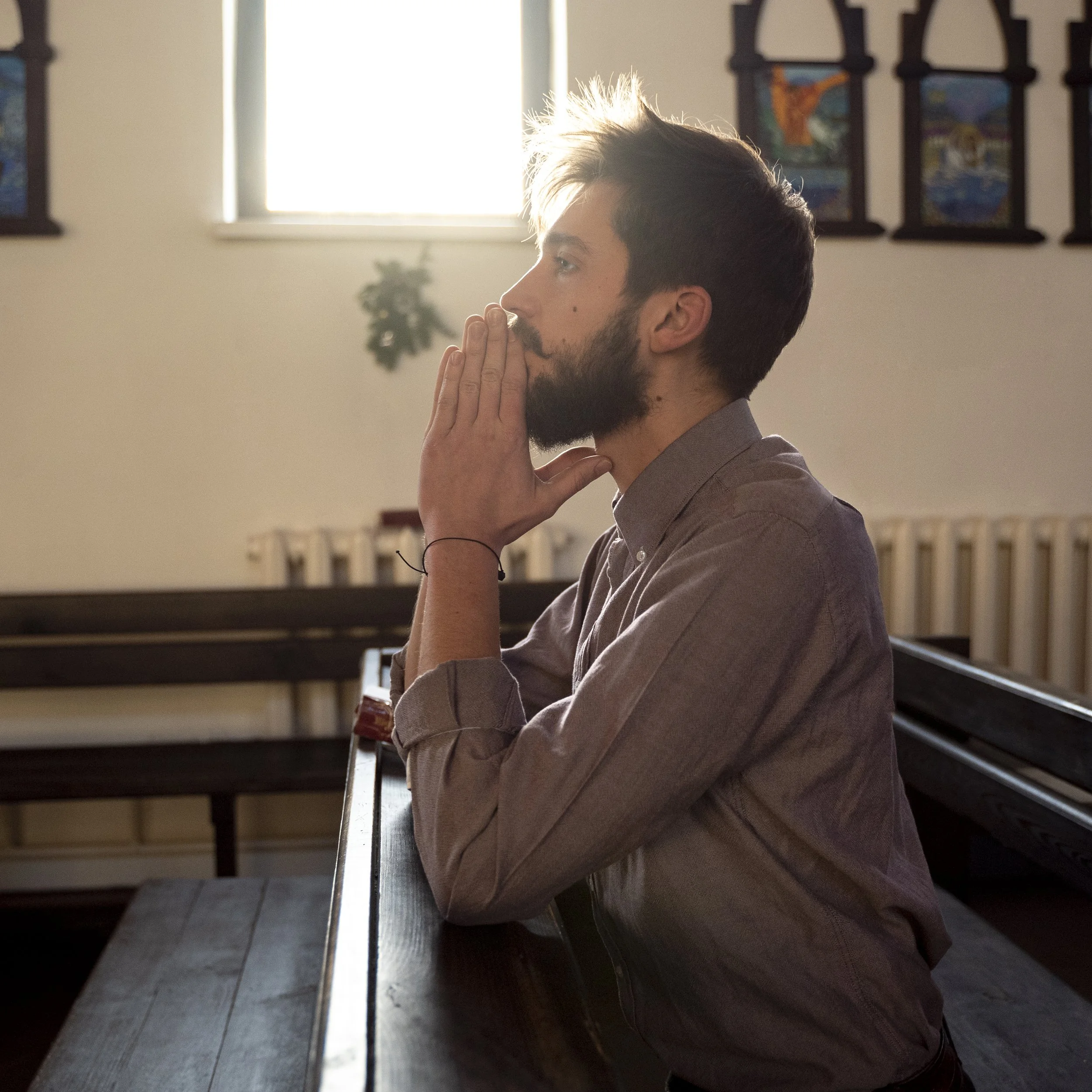
Photo courtesy of Freepik
Most people have heard the expression, “just have faith,” but faith can feel complicated at times. In the midst of all of life’s uncertainties and our own baggage, something that seems as simple as faith can start to feel more and more complicated and less and less like something that we can easily reach for or feel is a reality in our minds, bodies, and hearts.
Part of what can make faith complicated is that the word itself is used in everyday language and conversation, sometimes apart from anything connected with God. Its ambiguous use can be made to advocate for some vaguely positive idea that circumstances will get better. And, perhaps, that’s where the problem arises: When faith is cut off from anything you can have faith IN, it deteriorates on its own.
Defining Faith
What is faith really, and how is it defined in scripture? Hebrews 11:1 is direct: “Now faith is the assurance of things hoped for, the conviction of things not seen.” In Romans 4:20-21, the Apostle Paul speaks of Abraham’s faith in God, saying: “No unbelief made him waver concerning the promise of God, but he grew strong in his faith as he gave glory to God, fully convinced that God was able to do what he had promised.” From these passages, we see that faith is defined simply as trust, and specifically trust in God. It’s not positivity or a belief in some ambiguous idea or sweet thought. Abraham’s faith was simple: He rested in God’s dependability.
Building Trust
How do we build trust specifically in God? Trust in God comes as a response to who God is. The God who creates and calls all creation good. The God who knew us intimately before we were even born. The God who sees the fullness of our individual and collective brokenness and sin and does not shrink from it, but pursues us relentlessly out of love. The God who has promised to keep us, redeem us, and guide us all the way to eternal life. The God who sits with us in our anguish and exchanges grief for hope.
When we get a glimpse of the heart of God, it can transform our earthly worries. It does not necessarily take them away, but it gives us someone we can bring these worries to, someone we can rely on to help us through them. Nothing makes God more happy than when we simply trust Him. His ultimate goal is not to give us trouble-free lives, but to give us lives filled with experiences of how He faithfully provides. To show us, in plenty and in want, that we can rely on His love and grace always.
Dropping Pretenses
Yet, we resist our own obvious weakness and we delude ourselves into thinking we should lack nothing. We are surrounded by messages to trust in our own abilities and resources. In that, we can see a God-given desire: to be at peace with God and have freedom from the fear of need. But we aren’t expected to obtain those things on our own. We are God’s creatures and God is our creator. He is glad to do (have done, and continue doing) the work to bring us into relationship and restoration.
Faith doesn’t need to be complicated and hard to reach. It is not something we need to “try harder” at. Trusting God is more of a letting go than a grasping. Like Abraham and Paul, we can look at God’s character and go knowingly through the unknown, convinced that He can and will do all that He has promised for us.